Ingredients
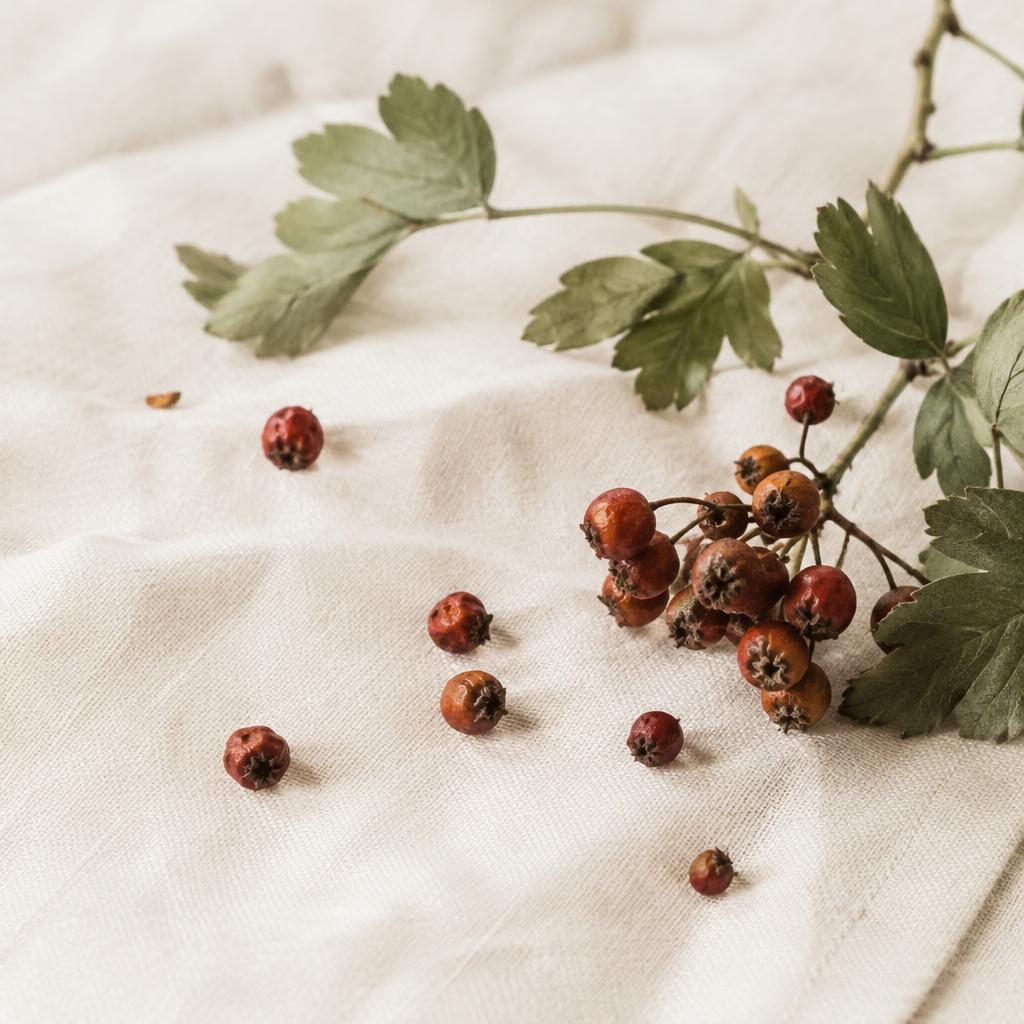
Hawthorn Berries & Leaves

Ingredient

Hawthorn Berries & Leaves

Also called Hawthorn, Crataegus

Tart red berries and tender leaves from the hawthorn tree — a quiet friend to the heart.

Tart red berries and tender leaves from the hawthorn tree — a quiet friend to the heart.

Choosing and storing

  • Choose organic, whole, colourful herb with a clear scent.
  • Keep it in a dark, airtight jar and use within a year.

In the cup

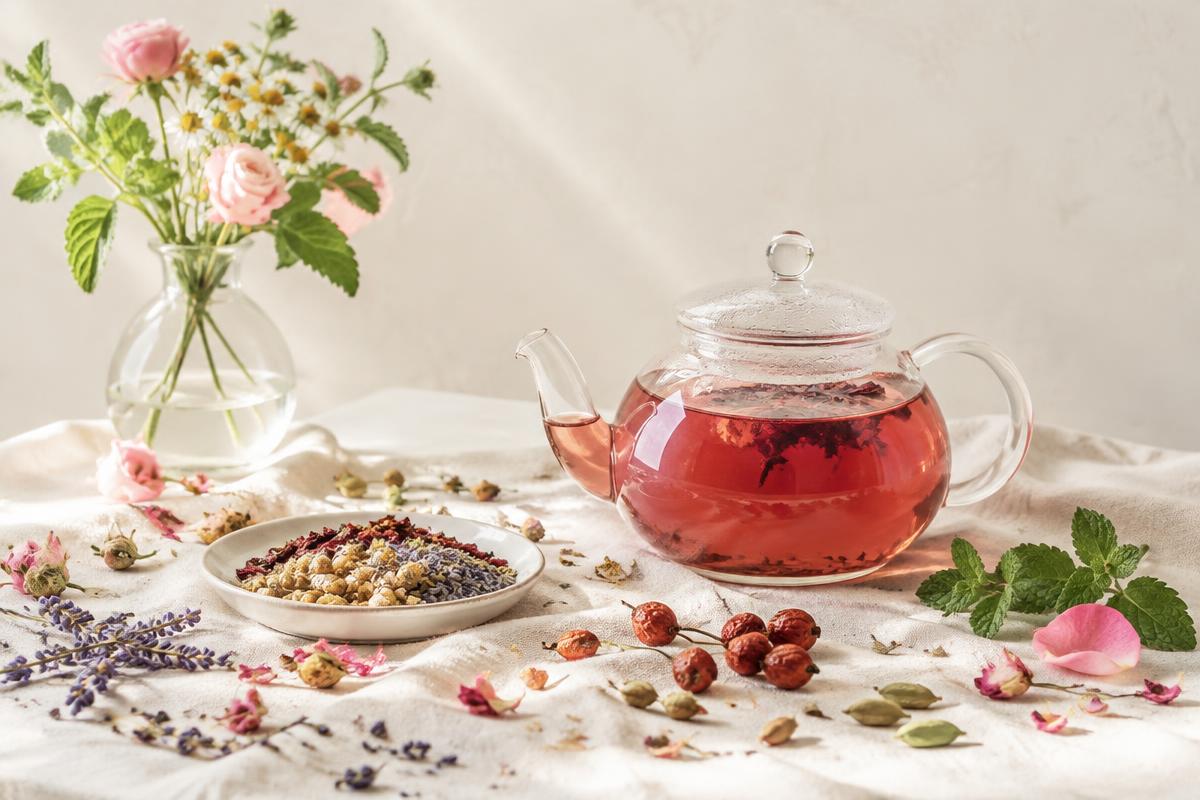
Hawthorn adds a gentle tartness and a rosy colour. It appears in Howl at the Moon.
In the kitchen

Ways to prepare Hawthorn Berries & Leaves

Hot tea

Simmer 1–2 teaspoons of dried berries per cup for 10–15 minutes; leaves and flowers just need a 10-minute steep.

Iced tea

Brew berries strong, chill and pour over ice. Pairs nicely with hibiscus and rose.

Fresh and raw

Ripe berry flesh is edible, but always remove the seeds — they shouldn't be eaten.

Cooked in meals

Cook berries into jelly, ketchup-style sauces or syrups, then strain out the seeds.

Infused honey or vinegar

Steep dried berries in honey or vinegar for 2–4 weeks.

Good to know

Talk to your practitioner first if you take any heart or blood pressure medicine.

Garden & lore

Growing and knowing Hawthorn Berries & Leaves

Seasonal planting tips

Spring

Plant young hawthorn trees in early spring in any decent soil. They tolerate cold well.

Summer

Gather leaves and flowers in late spring and early summer.

Fall

Harvest berries once deep red, after the first light frost sweetens them.

Winter

Prune lightly in late winter. Dried berries store for a year.

Astroherbalism insights

Planet
Mars
Sign
Aries
Element
Fire

A thorny guardian with a soft heart, hawthorn speaks to protection, courage and openness in love.

TCM energetics

Temperature
Slightly warm
Flavor
Sour, Sweet
Meridians
Spleen, Stomach, Liver
Moves the bloodAids digestionSupports the Heart

Traditional associations, shared for interest and reflection — not medical advice.

Used in